Exodus 16:1-18
NL405
BibleHub
1 The wholeI congregationII of the IsraelitesIII set outIV from Elim;V
Notes on verse 1a
I “whole” = kol. From kalal (to complete). This is all or every.
II “congregation” = edah. From yaad (to appoint, assemble or gather selves, agree) OR from ed (witness, testimony, recorder); from ud (to admonish, repeat, duplicate, testify, restore, record, relieve). This is a congregation, assembly, or company. It could be a family, crowd, or fixture.
III “Israelites” = ben + Yisrael. Literally, “children of Israel.” Ben is from banah (to build or obtain children). This is son, age, child. It is son in a literal or figurative sense. Yisrael is from sarah (to persist, exert oneself, contend, persevere, wrestle, prevail) + el (God or god). This is Israel, meaning God strives or one who strives with God; new name for Jacob and for his offspring. This refers to the people and to the land.
IV “set out” = nasa. This is properly pulling up as when one pulls up tent pegs or stakes. This would imply striking tents in order to start a journey. So this could be bring, pullout, set out, journey, or cause to go away.
V “Elim” = Elim. 6x in OT. From ayil (terebinth, oak); {from the same as ulam (porch, hall); from the same as ul (mighty, strength, body, belly; root may mean to twist and that implies strength and power)} OR from alal (to stick out, protrude). This is Elim, a place whose name means “terebinths,” “palm-trees,” “large trees,” “grove of oaks,” or “protruder.” See https://www.abarim-publications.com/Meaning/Elim.html
and Israel cameVI to the wildernessVII of Sin,VIII which is betweenIX Elim and Sinai,X
Notes on verse 1b
VI “came” = bo. This is to enter, come in, advance, fulfill, bring offerings, enter to worship, attack. It can also have a sexual connotation.
VII “wilderness” = midbar. From dabar (to speak, command, declare). This is mouth or speech. It can also be desert or wilderness. Additionally, it can be used for a pasture to which one drives cattle.
VIII “Sin” = Sin. 6x in OT. Perhaps from asam (to gather, store) OR from seneh (thorn bush) OR related to Aramaic siyn (a god called Sin) OR perhaps Hebrew siyn (related to mud or clay). This is Sin, the name of a city. It may mean, “clay” or “bush.” See https://www.abarim-publications.com/Meaning/Sinai.html
IX “between” = bayin. From bin (to discern, consider, attend to; distinguishing things in one’s mind or, more generally, to understand). This is among, between, interval.
X “Sinai” = Sinay. Related to “Sin” in v1. Probably from the same as Sin (see note VIII above). This is Sinai – a place whose name may mean “bush of the Lord” or “muddy.” See https://www.abarim-publications.com/Meaning/Sinai.html
on the fifteenthXI dayXII of the secondXIII monthXIV after they had departedXV from the landXVI of Egypt.XVII
Notes on verse 1c
XI “fifteenth” = chamesh + asar. Chamesh is five of fifth. Asar is from the same as eser (ten). This is ten, -teen, or -teenth.
XII “day” = yom. Root may mean being hot. This is the day in a literal or figurative sense. It can also mean birth, age, daylight, continually or other references to time.
XIII “second” = sheni. From shanah (to fold, repeat, double, alter, or disguise). This is double, again, another, second.
XIV “month” = chodesh. From chadash (to renew, repair). This refers to a new moon. It can also mean monthly.
XV “departed” = yatsa. This is to go or come out, bring forth, appear. It is to go out in a literal or figurative sense.
XVI “land” = erets. Root may mean to be firm. This is earth, ground, field land, or country.
XVII “Egypt” = Mitsrayim. Perhaps from matsor (besieged or fortified place, bulwark, entrenchment; something hemmed in; a siege or distress or fastness); from tsur (to confine, besiege, to cramp). This is Egypt.
2 The whole congregation of the Israelites complainedXVIII against MosesXIX and AaronXX in the wilderness.
Notes on verse 2
XVIII “complained” = lun. This is to stop – usually to lodge for the night. It can imply dwelling, enduring, or staying permanently. Figuratively, it can mean being obstinate, particularly with one’s words – to complain.
XIX “Moses” = Mosheh. From mashah (to pull out in a literal or figurative sense, to draw out) OR from Egyptian mes or mesu (child, son i.e. child of…). This is Moses – the one drawn out from the water, which is to say, rescued. If derived from the Egyptian, his name would share a root with Rameses and Thutmose.
XX “Aaron” = Aharon. Derivation uncertain. May mean “bearer of martyrs” OR be related to Ancient Egyptian ꜥḥꜣ rw (warrior lion) OR elevated, exalted, high mountain. This is Aaron. See https://en.wiktionary.org/wiki/Aaron
3 The Israelites said to them, “If onlyXXI we had diedXXII by the handXXIII of the LordXXIV in the land of Egypt,
Notes on verse 3a
XXI “if only” = mi + natan. Mi is who, what, which, whoever, o that. Natan is to give, put, set, offer. It is to give literally or figuratively.
XXII “died” = mut. This is to die in a literal or figurative sense. It can also refer to being a dead body.
XXIII “hand” = yad. This is hand, ability, power. Hand in a literal sense, but also what one can do or the means by which one does it.
XXIV “Lord” = YHVH. From havah (to be, become) or hayah (to come to pass, become, be). This is the name of the God of Israel, the self-existent and eternal one, the tetragrammaton. This pronunciation has been lost to time so “Lord” is generally used in its place.
when we satXXV by the fleshpotsXXVI and ateXXVII our fillXXVIII of bread;XXIX for you have brought us outXXX into this wilderness to killXXXI this whole assemblyXXXII with hunger.”XXXIII
Notes on verse 3b
XXV “sat” = yashab. This is to sit and so to remain and so to dwell. It is sitting for any reason – as a judge, in order to ambush, or just sitting quietly. Causatively, this can mean settling or marrying. This can also mean continue, endure, or establish.
XXVI “fleshpots” = siyr + basar. Siyr is from a root that may mean to boil. So it is a pot or pan. It can also be a thorn because it grows quickly or a hook. Basar is from basar (being a messenger, publish, carry preach; properly, this is being fresh, rosy or cheerful as one bearing news). This is flesh, the body, fat, skin, self, nakedness, humankind, or kin. It can also refer to private parts.
XXVII “ate” = akal. This is to eat, devour, burn up, or otherwise consume. It can be eating in a literal or figurative sense.
XXVIII “fill” = soba. 8x in OT. From saba (to be satisfied or full in a literal or figurative sense; to have plenty of). This is abundance, fullness, satisfaction. Properly, it is being sated – having enough food. Figuratively, it is fullness of joy.
XXIX “bread” = lechem. From lacham (to eat, feed on). This is bread, food, loaf. It can refer to food more generally for people or for animals.
XXX “brought…out” = yatsa. Same as “departed” in v1. See note XV above.
XXXI “kill” = mut. Same as “died” in v3. See note XXII above.
XXXII “assembly” = qahal. This is an assembly, congregation, or multitude.
XXXIII “hunger” = raab. From raeb (to be hungry). This is hunger, death, or hunger from famine.
4 Then the Lord said to Moses, “XXXIVI am going to rain bread from heavenXXXV for you, and each day the peopleXXXVI shall go outXXXVII
Notes on verse 4a
XXXIV {untranslated} = hen. This is a remark of surprise or excitement: lo! Behold! It can also mean if or though.
XXXV “heaven” = shamayim. Root may mean being lofty. This is sky, the air, or heaven. It is in a dual noun form so this might refer to the part of the sky where the clouds move on the one hand and the part beyond that where the sun, moon, and stars are on the other hand.
XXXVI “people” = am. From amam (to darken, hide, associate; creating shadows by huddling together). This is people or nation. It can be used specifically for a tribe, collectively of troops or armies, or figuratively to refer to a flock of animals.
XXXVII “go out” = yatsa. Same as “departed” in v1. See note XV above.
and gatherXXXVIII enoughXXXIX for that day. In that way I will testXL them, whether they will followXLI my instructionXLII or not.
Notes on verse 4b
XXXVIII “gather” = laqat. This is to pick up, glean, gather.
XXXIX “enough” = dabar. Related to “wilderness” in v1. From dabar (see note VII above). This is speech, a word, a matter, an affair, charge, command, message, promise, purpose, report, request. It is a word, which implies things that are spoken of in a wide sense.
XL “test” = nasah. This is to test, prove, try, tempt, or attempt.
XLI “follow” = halak. This is go, come, walk. It is walk literally and figuratively and includes people and animals. It can be used figuratively for one’s moral life – how we walk according to God’s way or against it. It can also refer to the walk of life as in the course one’s life takes, the choices we make, etc.
XLII “instruction” = torah. From yarah (to throw, shoot, be stunned; to flow as water so figuratively to instruct or teach). This is law, instruction, teaching, or statute. It can also refer to the first five books of the Bible – the Torah.
5 XLIIIOn the sixthXLIV day, when they prepareXLV what they bring in,XLVI it will beXLVII twiceXLVIII as much as they gather on other days.”
6 So Moses and Aaron said to allXLIX the Israelites, “In the eveningL you shall knowLI that it was the Lord who brought you out of the land of Egypt,
Notes on verses 5-6
XLIII {untranslated} = hayah. Related to “Lord” in v3. See note XXIV above.
XLIV “sixth” = shishshi. From shesh (six; figuratively, a surplus since it is one more than the number of fingers on the hand). This is sixth.
XLV “prepare” = kun. Properly, this means in a perpendicular position. So, it is set up in a literal sense – establish, fix, fasten, prepare. In a figurative sense, it is certainty, to be firm, faithfulness, render sure or prosperous.
XLVI “bring in” = bo. This is to enter, come in, advance, fulfill, bring offerings, enter to worship, attack. It can also have a sexual connotation.
XLVII “be” = hayah. Same as {untranslated} in v5. See note XLIII above.
XLVIII “twice” = mishneh. Related to “second” in v1. From shanah (see note XIII above). This is double, second, next, duplicate. It can also be second in rank or age.
XLIX “all” = kol. Same as “whole” in v1. See note I above.
L “evening” = ereb. This is dusk or evening.
LI “know” = yada. This is to know, acknowledge, advise, answer, be aware, be acquainted with. Properly, this is to figure something out by seeing. It includes ideas of observation, recognition, and care about something. It can be used causatively for instruction, designation, and punishment.
7 and in the morningLII you shall seeLIII the gloryLIV of the Lord, because he has heardLV your complainingLVI against the Lord. For what are we, that you complain against us?”
Notes on verse 7
LII “morning” = boqer. From baqar (to seek, plow, break forth, admire, care for). This refers to the break of day. So it is dawn, early, morning, or morrow.
LIII “see” = raah. This is to see in a literal or figurative sense so stare, advise, think, view.
LIV “glory” = kabod. From kabad (to be heavy, weighty, burdensome). This is weighty. Figuratively, glorious, abundant, riches, honor, splendor – a reference to one’s reputation or character. This word is often used to describe God and God’s presence.
LV “heard” = shama. This is to hear, call, consent, or consider. It implies listening intelligently, giving attention, and, because of these two factors, obedience and action are often implied.
LVI “complaining” = tlunah. Related to “complained” in v2. 9x in OT. From lun (see note XVIII above). This is murmuring, stubbornness, grumbling. It can also mean exalted.
8 And Moses said, “When the Lord givesLVII you meatLVIII to eat in the evening and your fillLIX of bread in the morning, because the Lord has heard the complaining that you utterLX against him—what are we? Your complaining is not against us but against the Lord.”
9 Then Moses said to Aaron, “Say to the whole congregation of the Israelites, ‘Draw nearLXI toLXII the Lord, for he has heard your complaining.’” 10 AndLXIII as Aaron spokeLXIV to the whole congregation of the Israelites,
Notes on verses 8-10a
LVII “gives” = natan. Same as “if only” in v3. See note XXI above.
LVIII “meat” = basar. Same as “fleshpots” in v3. See note XXVI above.
LIX “fill” = saba. Related to “fill” in v3. See note XXVIII above.
LX “utter” = tlunah. Same as “complaining” in v7. See note LVI above.
LXI “draw near” = qarab. This is to come near, offer, make ready, approach, take.
LXII “to” = paneh. From panah (to turn, face, appear). This is face in a literal or figurative sense. It could be face, presence, anger, respect. It can also be used of God to indicate divine favor or presence.
LXIII {untranslated} = hayah. Same as {untranslated} in v5. See note XLIII above.
LXIV “spoke” = dabar. Related to “wilderness” in v1 & “enough” in v4. See note VII above.
they lookedLXV toward the wilderness, andLXVI the glory of the Lord appearedLXVII in the cloud.LXVIII
11 The Lord spoke to Moses and said, 12 “I have heard the complaining of the Israelites; say to them, ‘AtLXIX twilightLXX you shall eat meat, and in the morning you shall have your fill of bread; then you shall know that I am the Lord your God.’”LXXI
Notes on verses 10b-12
LXV “looked” = panah. Related to “to” in v9. See note LXII above.
LXVI {untranslated} = hinneh. Related to {untranslated} in v4. From hen (see note XXXIV above). This is to draw attention, show suddenness or surprise, or to emphasize the importance of the coming statement. See! Lo! Behold!
LXVII “appeared” = raah. Same as “see” in v7. See note LIII above.
LXVIII “cloud” = anan. May be from anan (cover, cloud over; figuratively, acting in a secret way, practicing magic or soothsaying). This is a cloud as something that covers the sky.
LXIX “at” = bayin. Same as “between” in v1. See note IX above.
LXX “twilight” = ereb. Same as “evening” in v6. See note L above.
LXXI “God” = Elohim. Related to “Israelites” in v1. See note III above.
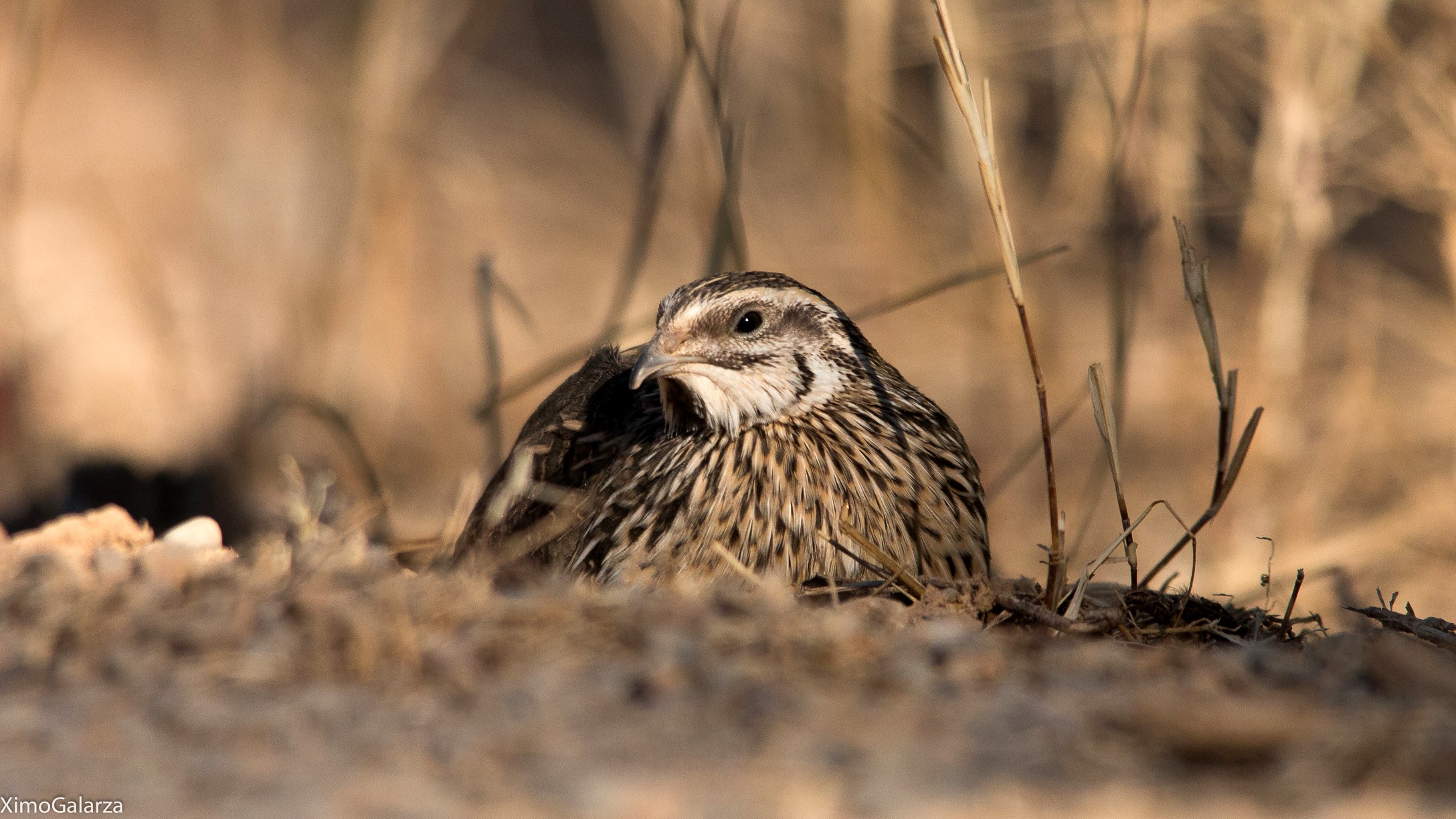
13 LXXIIIn the evening quailsLXXIII came upLXXIV and coveredLXXV the camp;LXXVI
Notes on verse 13a
LXXII {untranslated} = hayah. Same as {untranslated} in v5. See note XLIII above.
LXXIII “quails” = selav. 4x in OT– all in reference to the quails in the wilderness wanderings. Perhaps related to Arabic (“to be fat”) OR related to shalah (to be quiet, safe, tranquil; can imply success or happiness; could also mean to deceive or be negligent). This is a quail as a slow-moving bird. See https://www.biblicalcyclopedia.com/Q/quail.html
LXXIV “came up” = alah. This is to go up, approach, ascend, be high, be a priority; to arise in a literal or figurative sense.
LXXV “covered” = kasah. This is to cover, conceal, overwhelm. It is to cover as clothes do or to hide a secret.
LXXVI “camp” = machaneh. From chanah (to decline, bending down, or living in tents; can be camping to create a home or camping as a part of battle). This is an encampment, whether of people traveling together or soldiers. So, it can be a camp band, or company as well as an army of soldiers. Also can be used of other groups like animals, angels or stars.
and in the morning there was a layerLXXVII of dewLXXVIII aroundLXXIX the camp. 14 When the layer of dew lifted,LXXX thereLXXXI on the surfaceLXXXII of the wilderness was a fineLXXXIII flaky substance,LXXXIV as fine as frostLXXXV on the ground.LXXXVI
Notes on verses 13b-14
LXXVII “layer” = shekabah. 9x in OT. From shakab (to lie down, lodge; lying for sleep, sex, or other reasons). This is an act of lying so it could be a layer, the act of copulation, or an emission.
LXXVIII “dew” = tal. Perhaps from talal (to cover, roof, strew). This is dew or mist as something that covers plants.
LXXIX “around” = sabib. From sabab (turning around, going around; to surround, cast, walk, fetch; to revolve or border in a literal or figurative sense). This is a circuit or a circle. It could refer to an environment, one’s neighbors, or a circular path round about.
LXXX “lifted” = alah. Same as “came up” in v13. See note LXXIV above.
LXXXI “there” = hinneh. Same as {untranslated} in v10. See note LXVI above.
LXXXII “surface” = paneh. Same as “to” in v9. See note LXII above.
LXXXIII “fine” = daq. 15x in OT. From daqaq (to crush, crumble, make dust, be very small). This is thin, crushed, small, very little.
LXXXIV “flaky substance” = chaspas. 1x in OT. This is something flaky like a scale or round. Root may mean to peel.
LXXXV “frost” = kphor. 12x in OT. From kaphar (to appease, cover, pacify, cancel). This is a cover, which could imply a basin or goblet or a frost that covers the ground.
LXXXVI “ground” = erets. Same as “land” in v1. See note XVI above.
15 When the Israelites saw it, they said to oneLXXXVII another,LXXXVIII “WhatLXXXIX is it?” For they did not know what it was.
Notes on verse 15a
LXXXVII “one” = ish. Perhaps from enosh (human, humankind, mortal); from anash (to be weak, sick, or frail). This is man, husband, another, or humankind.
LXXXVIII “another” = ach. This is brother, kindred, another, other, like. It is literally brother, but it can also be someone who is similar, resembling, or related to.
LXXXIX “what” = man. 14x in OT. From mah (what, how, how long, why – a question or exclamation). This is manna, literally a whatzit.
Moses said to them, “It is the bread that the Lord has given you to eat.XC 16 This is whatXCI the Lord has commanded:XCII ‘Gather as much of it asXCIII eachXCIV of you needs,XCV
Notes on verses 15b-16a
XC “eat” = oklah. Literally, “for food.” Related to “ate” in v3. 18x in OT. From okel (food, prey, meat, eating); from akal (see note XXVII above). This is food, eating, fuel, meat, consume.
XCI “what” = dabar. Same as “enough” in v4. See note XXXIX above.
XCII “commanded” = tsavah. This is to charge, command, order, appoint, or enjoin. This is the root that the Hebrew word for “commandment” comes from (mitsvah).
XCIII “as” = peh. This is mouth in a literal or figurative sense. So, more literally, it can be beak or jaws. More figuratively, it refers to speech, commands, or promises.
XCIV “each” = ish. Same as “one” in v15. See note LXXXVII above.
XCV “needs” = okel. Related to “ate” in v3 & “eat” in v15. See note XC above.
an omerXCVI to a personXCVII according to the numberXCVIII of persons,XCIX allC providingCI for those in their own tents.’”CII
Notes on verse 16b
XCVI “omer” = omer. 14x in OT. From amar (to bind sheaves, heap; discipline as piling on blows). This is a shear or an omer – a dry measuring unit.
XCVII “person” = gulgoleth. 12x in OT. From galal (to roll in a literal or figurative sense, roll away, roll down, wallow, remove, trust). This is skull or head. It is a census or poll that counts people by head. It is also where “Golgotha” takes its name from.
XCVIII “number” = mispar. From the same as sepher (writing itself or something that is written like a document, book, letter, evidence, bill, scroll, or register); from saphar (to tally or record something; to enumerate, recount, number, celebrate, or declare). This is a number, whether definite or symbolic – could be innumerable, few, abundance. It can also be a tally or account – or a narration.
XCIX “persons” = nephesh. Related to naphash (to refresh or be refreshed). This is soul, self, person, emotion. It is a breathing creature. Can also refer to appetites and desires.
C “all” = ish. Same as “one” in v15. See note LXXXVII above.
CI “providing” = laqach. This is to take, accept, carry away, receive. It can also have the sense of take a wife or take in marriage.
CII “tents” = ohel. Perhaps from ahal (to shine, be clear). This is a tent, covering, home, or side pillar.
17 The Israelites didCIII so,CIV some gathering more,CV some less.CVI 18 But when they measuredCVII it with an omer, those who gathered muchCVIII had nothing over,CIX and those who gathered littleCX had no shortage;CXI they gathered as much as each of them needed.
Notes on verses 17-18
CIII “did” = asah. This is to make, do, act, appoint, become in many senses.
CIV “so” = ken. Related to “prepare” in v5. Perhaps from kun (see note XLV above). This is to set upright. Generally used figuratively to mean thus, so, afterwards, rightly so.
CV “more” = rabah. This is increasing in any aspect whether quantity, authority, size, quality, greatness, etc.
CVI “less” = maat. This is diminished, decreased, reduced, insignificant. It is a broad sense of being small or becoming small. Figuratively, this can mean ineffective.
CVII “measured” = madad. This is to measure, stretch, be extended, continue.
CVIII “gathered much” = rabah. Same as “more” in v147. See note CV above.
CIX “had…over” = adaph. 9x in OT. This is to have excess, be left over, remain.
CX “gathered little” = maat. Same as “less” in v17. See note CVI above.
CXI “had…shortage” = chaser. This is to lack, abate, have need of, bereave, fail.
Image credit: “Guatla (Coturnix coturnix)” by Ximo Galarza, 2018.